Identifying a signer is a crucial part of every notarization — but when remote online notarization (RON) is involved, Notaries need to be extra careful not to skip required steps in the identity verification process. That’s what happened with some remote Notaries using RON workflows such as the Secured Signing platform.
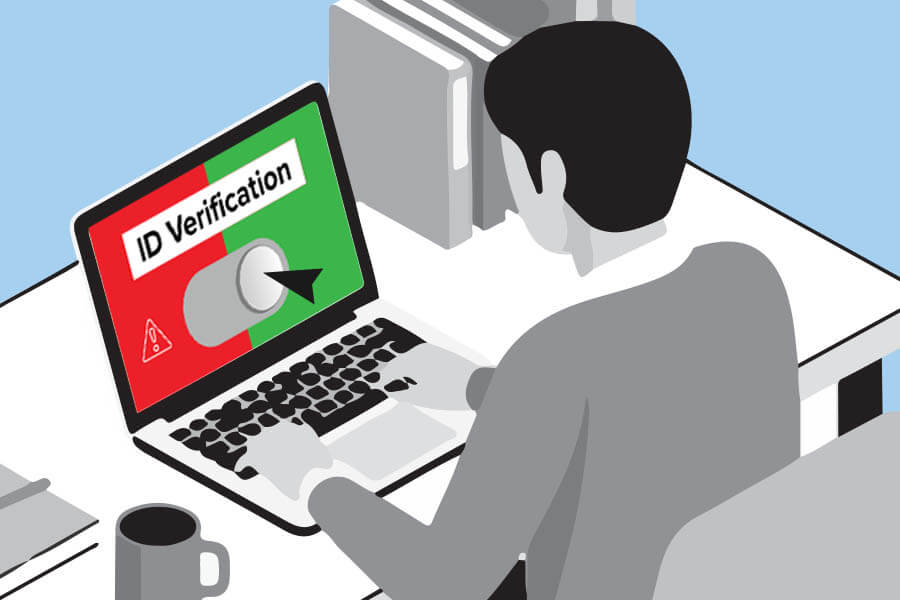
Some Notaries using the platform switched off the platform’s identity verification system, which is used to confirm a signer’s identity. Some were still properly identifying the signer using personal knowledge, but others were using improper processes to verify the signer’s identity or simply turning off the verification checks because they thought it was harmless and would save time and expense.
While it does not appear at this time that any of these identification errors resulted in fraud, the situation illustrates how important it is that all Notaries, whether performing traditional or online notarizations, strictly follow state requirements for identifying signers.
How the RON identification issue surfaced
The issue came to light while Secured Signing was testing its new identity monitoring product, ID Trust Console.
Bill Gimbel, Director of Business Development at Secured Signing, explained that the team compared the number of ID verification checks completed each month with the total number of RON transactions. The numbers didn’t match.
When the team spoke with Notaries, they found that many were selecting the “personally known” option instead of running the ID verification check, even when they didn’t personally know the signer.
Why the Notary identification issues matter
Choosing “personally known” when it doesn’t apply means the signer’s identity may not have been properly verified. That could create compliance and fraud risks for the Notary and the transaction.
How Secured Signing is addressing the identification issue
Secured Signing offers several identity verification methods that are easy to use and built to meet compliance requirements. One of these is the ID Trust Console.
The ID Trust Console is Secured Signing’s identity monitoring solution for Video Signing and Remote Online Notarization (RON) meetings.
It works alongside the Notary’s traditional “stare and compare” check. During the meeting, it regularly confirms two things:
- The signer is a genuine, live person.
- The signer is the same individual who passed the pre-meeting identity verification and deepfake detection checks.
The result is recorded automatically in the audit log, so Notaries get a reliable identity check without extra steps.
In most states that authorize RON, identity verification (commonly referred to as “identity proofing”) includes knowledge-based authentication, in which the signer must correctly answer four of five questions about their credit and life history within two minutes, and credential analysis, in which an identity service provider checks the signer’s government-issued ID for authenticity. Some states also permit biometric comparison, which compares the ID photo with a live image of the signer.
Some Notaries misunderstood the identification process
For Notaries using personal knowledge as an authorized alternative to identity proofing, this wasn’t an issue. In fact, the platform allows Notaries the option to turn off the system because some Notaries, particularly those who notarize for the same individual at work, may use personal knowledge, when permitted by law.
However, Gimbel said other Notaries were turning off the system in the mistaken belief that asking the signer to hold up an ID document to the camera for the Notary to see was an acceptable alternative to formal ID verification.
“Secured Signing recommends that such a visual check only be used to supplement the ID verification process, not as a replacement,” he said. “The visual check lets the Notary compare the ID shown live with the one verified before the session. Secured Signing’s verification process also provides ID Trust Console as a forensic comparison, biometrically matching the face on the submitted ID to the person in the session.”
Gimbel said that, based on the company’s conversations with Notaries, many were unaware of the full implications of skipping the full verification process. He cited the added complexity of combining technology with RON rules that differ from state to state as a factor leading to these misunderstandings.
He also observed that many Notaries who perform remote online notarizations often use several RON platforms depending on client requirements, and that states differ in how they approve platforms, with some working closely with vendors and others relying on self-certification. Gimbel said he’s not aware if other platforms having similar identification issues, but he could not speak to how they enforce ID verification.
“We see it as our job to make that clearer to protect both the Notary’s clients and the Notary,” he said.
Steps to ensure remote online Notaries properly identify signers
Proper identification during remote online notarization is crucial to avoid liability and prevent fraud. Since 2023, the top 3 causes of insurance claims on NNA insurance policies with $100,000 limits are deed fraud, mortgage loan fraud and estate-related fraud. Remote online notarizations were involved in 13% of these deed fraud and estate-related claims and 22% of the mortgage loan fraud claims.
Fortunately, no customers have reported fraud issues, and Gimbel said he’s “not aware of any Notaries facing disciplinary action from their state regulatory agencies over the issue.” Nevertheless, a failure to use ID verification when it is required is a violation of the law and could subject the Notary to civil liability if it ever arose and administrative censure from their commissioning official. Gimbel said the company is focusing on educating Notaries through its RON platform to ensure they properly verify identity and that the problem doesn’t recur. Some of the steps Secured Signing is taking include:
In-platform alerts. If a Notary using the Secured Signing platform selects “personally known,” to identify a signer, a statement outlining the implications appears twice during session preparation, and the Notary's confirmation is recorded in the audit log.
RON Training. Secured Signing is providing onboarding and weekly classes that explain each authentication method and when it is appropriate. Gimbel said the training also notes that intentionally not following statutory rules could cause an errors and omissions (E&O) insurance claim to be denied, which “tends to get some attention.” “And none of us want that!” Gimbel said.
Disabling the ‘personally known’ option for certain notarizations. ID verification is on by default for the Secured Signing platform. Many title and mortgage companies require identity verification for every signer during a notarization. When performing notarizations for these customers, the platform will not allow the “personally known” identification option to be selected, Gimbel said.
Gimbel said strong ID verification benefits Notaries, signers and the businesses that rely on them because:
- It gives the Notary a documented, defensible record of how identity was established, which matters if a transaction is questioned or an E&O claim is made.
- Credential analysis and biometric comparison can catch forged, altered or expired IDs that a visual check alone can miss.
- Building additional automated identity-verification reviews, such as their ID Trust Console verification, into the workflow helps Notaries meet varying state requirements without having to memorize each one.
- Reliable verification builds the trust that title companies, lenders and signers need in remote notarization.
- Catching a problem at the start of a session is far cheaper than unwinding a questioned notarization later.
“Above all,” Gimbel said, “the company wants Notaries to keep serving their communities and protecting the authenticity of the documents they notarize.”
For more information on how Secured Signing protects Notaries, please click here.
David Thun is the Editorial Manager at the National Notary Association.