
By
Phillip Browne, April 13, 2026
Fraud and forgery have turned refinance transactions into the mortgage industry's most dangerous minefield. The numbers are staggering — and the implications for every Notary Signing Agent in America are urgent.
By
NNA Staff, June 8, 2026
A California Notary asks if extra steps are required when notarizing for a mother and daughter who have the same name. The NNA Notary Hotline answers the question.
By
David Thun, June 5, 2026
Can you figure out the Notary terms and phrases in this month’s crossword puzzle?
By
NNA Staff, June 1, 2026
An Indiana Notary asks if they can notarize a trust they are named in as a beneficiary. The NNA Notary Hotline answers the question.
By
NNA Staff, May 27, 2026
An employer asks what needs to be done if a former employee leaves her seal and journal behind when she leaves. The NNA Notary Hotline answers the question.

By
Phillip Browne, May 26, 2026
Read the latest news about Notaries from around the United States.

By
Marissa Valera, May 15, 2026
New California Notary Marissa Valera shares the story of how she got her commission and tips to hellp other novice Notaries.

By
NNA Staff, May 4, 2026
The NNA is proud to announce that Melissa Battle, founder and owner of Notarizing Tampa in Florida, has been chosen as the 2026 Influencer of the Year.
By
David Thun, April 28, 2026
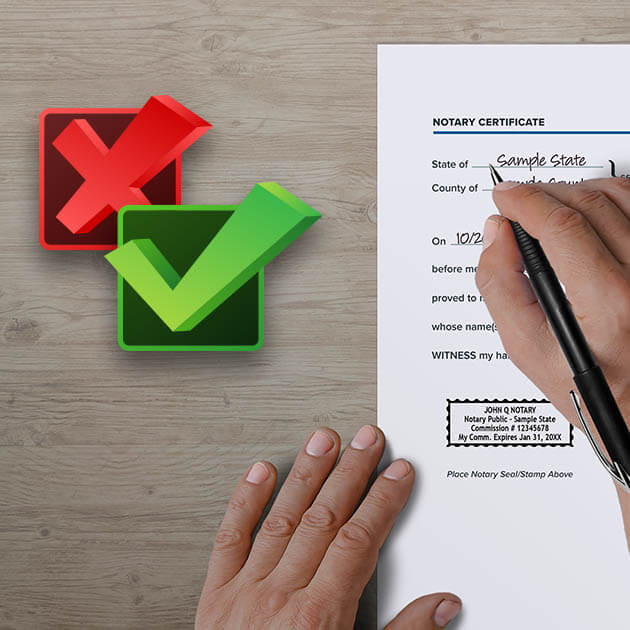
Do you know the right way — and the wrong way — to fill out a Notary certificate? Take our quiz and test yourself.
By
NNA Staff, April 20, 2026
A Virginia Notary asks how Notary fees should be charged in their state. The NNA Notary Hotline provides guidance.