
By
David Thun
Kansas recently became the first U.S. state to send a paperless apostille — a certificate used to verify notarial acts and other important records — to another country.
By
NNA Staff
The deadline for states to adopt REAL ID standards passed on January 15, 2013, and three quarters of U.S. states still fall short of the new requirements. Only 13 states currently issue driver’s licenses and other IDs that comply with the enhanced security standards, according to the U.S. Department of Homeland Security.

By
NNA Staff, Updated July 18, 2025
While it’s possible to notarize a document written in a foreign language, it’s very important to take steps to ensure you aren’t being misled about the document’s content or the signer’s intentions before you proceed.
By
NNA Staff
The American Bar Association’s (ABA) top official recently issued a warning about “Notarios” who may try to take advantage of young immigrants following the launch of the federal government’s Deferred Action for Childhood Arrivals program, which allows certain undocumented residents brought to the U.S. as children to avoid deportation.
By
Michael Lewis
The National Association of Realtors reports a significant increase in the number of foreigners purchasing American homes, with Canadians, Chinese and Mexican home purchasers now comprising the top three international investors in U.S. real estate.
By
David Thun
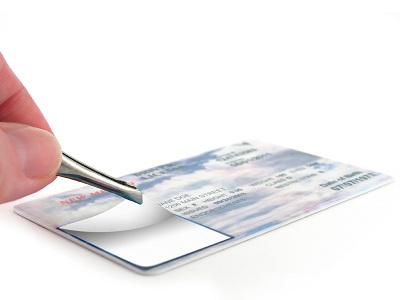
U.S. Senators are calling on the People’s Republic of China to crack down on Chinese companies selling fake IDs through the Internet.
By
NNA Staff
Efforts to crack down on immigration services fraud are expanding beyond the traditional focus on Notarios Publicos to combat scams targeting immigrants from other cultures.
By
NNA Staff
Elaine Wright, NNA’s 2009 Notary of The Year, loves traveling around the world and, as a dedicated Notary educator and Signing Agent, takes time during her sojourns to meet with Notaries worldwide. The International Section caught up with Elaine to discuss her recent trip to Australia and New Zealand and what she discovered after her encounter with Notaries Down Under.
By
NNA Staff
Major worldwide changes to Notary systems are granting more powers in some regions, while decreasing privileges in others to make the Notary profession more competitive. While the role of U.S. Notaries tends to be more limited in scope than those performing the role elsewhere, these global law updates may have a lasting impact on Notaries everywhere.

By
Kelle Clarke
New York has joined a growing number of states in proposing strict regulations on the methods Notaries may use to advertise their services.